
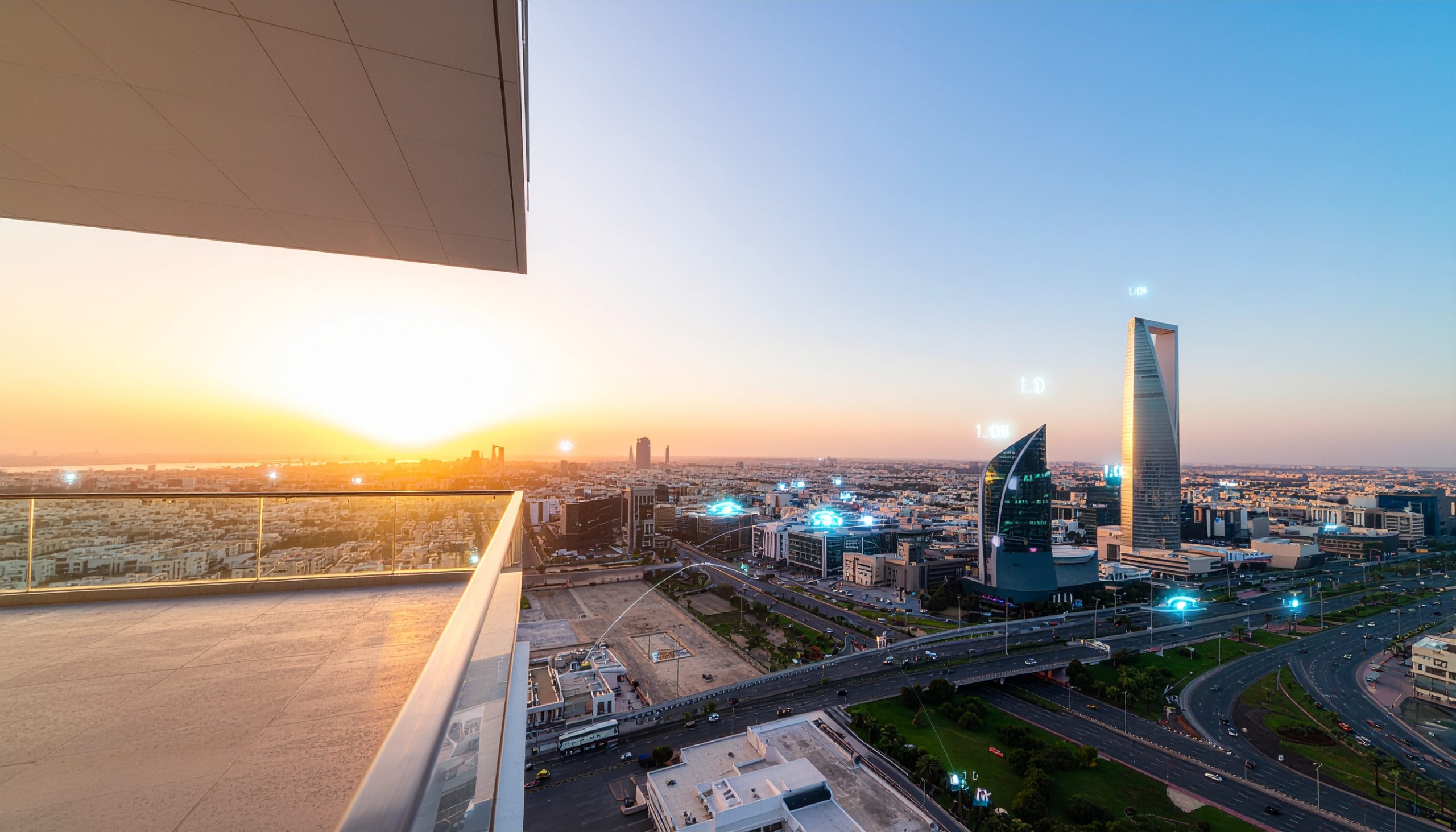
The Evolution of PropTech in the Saudi Capital
Real estate has traditionally been a slow-moving industry, but the surge of PropTech (Property Technology) in the Kingdom is flipping the script. Driven by the ambitious goals of Saudi Vision 2030, developers in Riyadh are increasingly turning to AI to solve complex urban challenges.
From Traditional Units to Intelligent Ecosystems
In the past, a “luxury” apartment in Riyadh was defined by its location in districts like Al-Malqa or its proximity to the King Abdullah Financial District (KAFD). Today, luxury is increasingly defined by intelligence. A smart building in Riyadh today uses AI to monitor everything from elevator traffic to air quality. These systems learn the habits of residents, ensuring that the environment is always optimized for comfort without wasting energy.
Why Riyadh is the Perfect Testing Ground
Riyadh is uniquely positioned to lead the AI revolution in real estate. With a young, tech-savvy population and a government committed to digital transformation, the city is a fertile ground for innovation. Furthermore, the extreme climate of the Central Province makes AI-driven climate control not just a luxury, but a necessity for sustainable growth. By leveraging data, developers can create living spaces that are cooler, more efficient, and significantly more cost-effective over time.
Key Benefits of AI in Riyadh Real Estate for Homeowners
If you are looking to rent or buy in Riyadh, you might wonder how these high-tech systems actually impact your daily life. The benefits go far beyond being able to control your lights with a smartphone. AI-driven buildings offer a level of convenience and security that was previously unimaginable.
Predictive Maintenance: Fixing Problems Before They Happen
One of the most significant advantages of AI in Riyadh real estate is predictive maintenance. Traditional property management is reactive—you call the landlord when the AC breaks. In a smart building, sensors monitor the performance of mechanical systems in real-time. AI algorithms can detect a slight drop in efficiency or a vibrating motor that suggests a failure is imminent. This allows maintenance teams to fix the issue before you even notice a problem, saving you from the discomfort of a Riyadh summer afternoon without cooling.
Hyper-Personalized Living Environments
AI allows your home to adapt to you. Imagine walking into your apartment after a long day at the office. The AI has already adjusted the temperature to your preference, dimmed the lights to a relaxing level, and ensured that the air filtration system has removed the afternoon’s dust. For expats and young Saudi professionals, this level of automation provides a seamless transition between work and home life.
- Automated lighting and climate control based on occupancy
- Smart security systems with facial recognition for keyless entry
- Real-time energy usage tracking via mobile apps
- AI-concierge services for booking amenities or maintenance
- Optimized parking management using license plate recognition
How Smart Buildings Support Saudi Vision 2030
The push for AI in Riyadh real estate is not happening in a vacuum. It is a core component of the Kingdom’s broader sustainability and digitalization goals. As Riyadh aims to become one of the top 10 city economies in the world, the efficiency of its real estate sector is critical.
Energy Efficiency and Sustainable Cooling
Energy consumption in Saudi Arabia is heavily dominated by air conditioning. Smart buildings use AI to manage “district cooling” systems more effectively. By analyzing weather forecasts and building occupancy data, these systems can pre-cool spaces during off-peak hours or reduce cooling in unoccupied zones. This significantly reduces the carbon footprint of the city’s residential clusters, aligning with the Saudi Green Initiative.
Waste Management and Resource Optimization
Beyond energy, AI is being used to manage water and waste. In a region where water is a precious resource, smart sensors can detect leaks in the plumbing of a massive residential tower instantly. AI also optimizes waste collection schedules based on the fill-levels of bins, reducing the traffic and noise associated with traditional garbage collection in busy neighborhoods like Olaya or Sulaimaniyah.
The Investor’s Edge: Why Smart Properties Yield More
For real estate investors, the integration of AI in Riyadh real estate represents a significant opportunity for higher returns on investment (ROI). While the initial capital expenditure for smart technology can be higher, the long-term gains are undeniable.
Lower Operational Costs and Higher Retention
Buildings managed by AI have significantly lower operational costs. Automated energy management can reduce utility bills by up to 30%, a saving that can be passed on to tenants or used to increase the landlord’s margin. Furthermore, tenants are increasingly willing to pay a premium for the convenience and security of a smart building. In a competitive rental market, these features ensure higher occupancy rates and better tenant retention.
Data-Driven Asset Management
Investors can now access granular data about how their properties are being used. AI platforms can provide reports on which amenities are most popular, peak times for energy use, and long-term wear-and-tear trends. This data allows for smarter budgeting and more strategic upgrades, ensuring that the property remains competitive for years to come.
Final Thoughts
The rise of AI in Riyadh real estate is more than just a trend; it is a fundamental shift in how we interact with our built environment. As smart buildings become the standard in the Kingdom, residents will enjoy higher quality of life, and investors will benefit from more resilient assets. Whether you are a first-time buyer or a seasoned investor, understanding the impact of PropTech is essential for navigating the future of the Saudi market.
Ready to take the next step in your property journey?
Explore Monerti and discover smarter ways to rent, buy, or invest in Saudi real estate. Our platform is designed to help you stay ahead of the curve in the rapidly evolving GCC market.